



The housing market is constantly evolving as buyer expectations, lifestyles, and communities continue to change. While location and affordability remain important, today’s homeowners are also looking for neighborhoods and homes that improve their daily lives. This shift has encouraged architects and developers to rethink how residential spaces are planned and built. One of the biggest influences behind this transformation is the growing presence of women in architecture. Their perspectives are helping shape homes and communities that prioritize well-being, functionality, and long-term value. As a result, modern housing markets are becoming more responsive to the people who live in them instead of focusing solely on appearance or prestige.
Women in Architecture Are Redefining Residential Design
The conversation around modern housing is expanding beyond square footage and visual appeal. Insights shared through www.fuersie.de/lifestyle/wohnen-mit-seele-wie-architektinnen-unsere-lebensraeume-neu-erfinden-19823.html highlight how many women in architecture are designing homes that place everyday experiences at the center of the planning process. By considering how people interact with their surroundings, they are helping create residential spaces that feel welcoming, practical, and built to support real life.
Housing Markets Are Responding to Changing Buyer Expectations

Today’s buyers want more than attractive finishes. They are searching for homes that offer comfort, flexibility, and a strong sense of community. These priorities are influencing developers to create neighborhoods that better reflect modern lifestyles. Women in architecture are contributing to this shift by encouraging designs that prioritize people over trends. Their work often emphasizes thoughtful layouts, shared outdoor spaces, and environments that encourage interaction while still respecting privacy. These qualities make residential developments more appealing to a wider range of buyers.
Better Communities Begin With Better Planning
A successful housing development is about more than individual homes. It also depends on how streets, parks, walkways, and shared spaces come together to create a connected neighborhood. Many female architects bring a collaborative approach to planning, considering how residents will move through and experience a community every day. This attention to detail helps create neighborhoods that feel safer, more welcoming, and easier to enjoy, adding value that extends well beyond the property itself.
Innovation Is Driving the Future of Residential Real Estate
Innovation in housing is not limited to technology. It also involves finding better ways to solve everyday challenges through thoughtful planning and creative design. Women in architecture continue to introduce fresh ideas that improve how homes function and make residential developments more adaptable to future needs. Whether designing flexible spaces or improving access to natural light, these innovations help create properties that remain desirable as lifestyles evolve.
Diverse Perspectives Strengthen Property Development

The best ideas often emerge when different viewpoints come together. Property developers are increasingly recognizing that diverse architectural teams can lead to more creative and practical housing solutions. Women in architecture contribute valuable insights that help address the needs of a broad range of homeowners. By considering different family structures, work habits, and living preferences, they help shape developments that appeal to more people and remain relevant over time.
The Industry Is Looking Beyond Traditional Design Priorities
Residential real estate has traditionally emphasized visual impact and market trends. While appearance still matters, developers are increasingly focusing on how homes perform in everyday life and how communities support their residents. This broader perspective encourages long-term thinking rather than short-term popularity. Homes that are comfortable, adaptable, and thoughtfully planned often continue to attract buyers long after design trends have changed.
The growing influence of women in architecture is helping reshape modern housing markets in meaningful ways. By bringing fresh perspectives to residential planning and focusing on the needs of the people who live in these spaces, they are contributing to stronger communities and more valuable properties. As the real estate industry continues to evolve, their impact will remain an important part of creating homes that truly stand the test of time.…






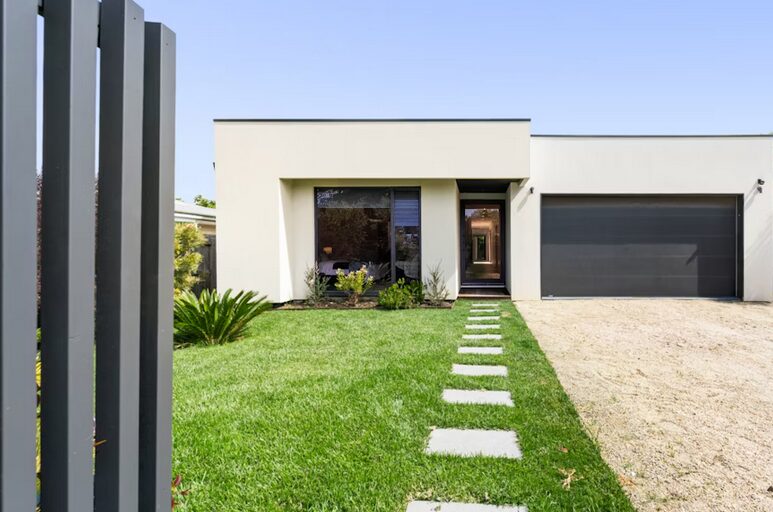


















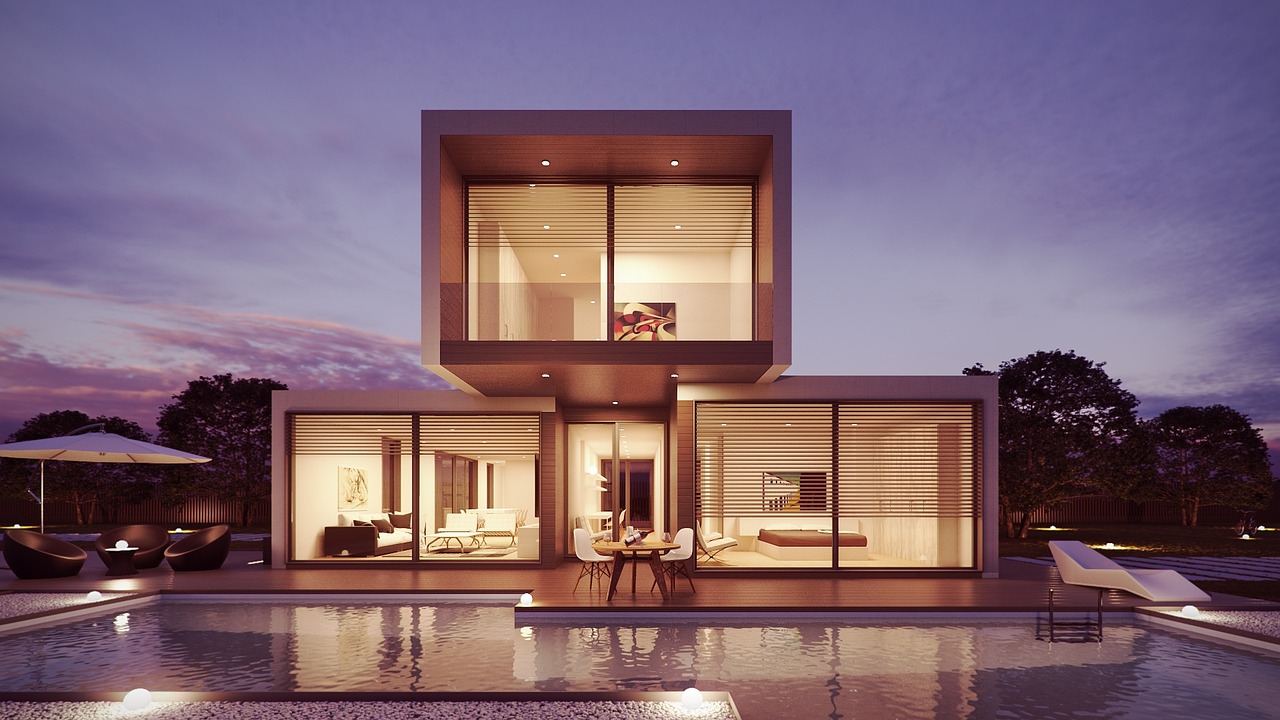
 Small, modern prefab home designs are a testament to the ingenuity of architects and designers who have embraced the concept of compact living without compromising on style. These homes prove that size doesn’t always dictate the level of comfort and functionality. Visit this
  Prefab homes with green roofs and sustainable landscaping offer a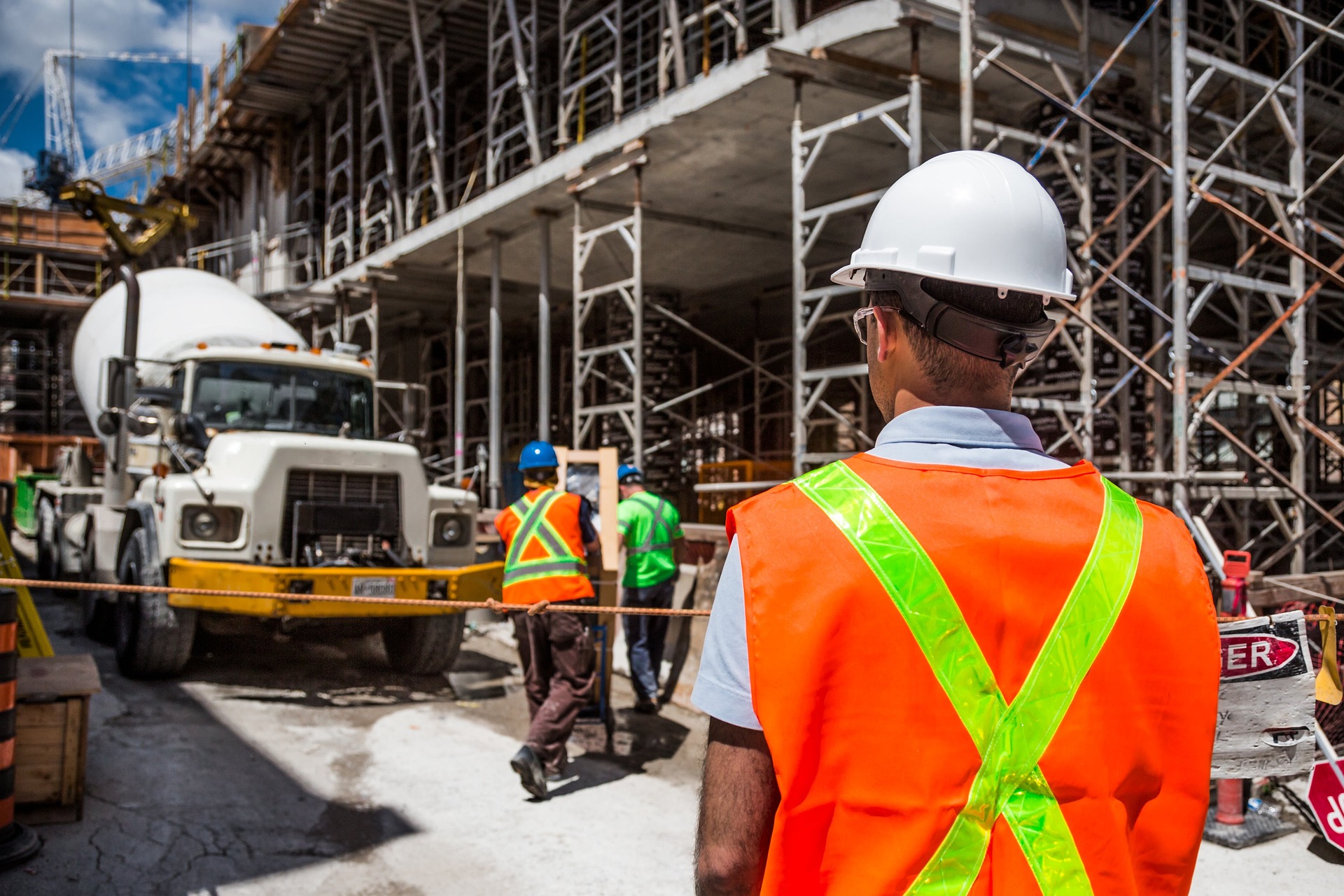
 Prefabrication and modular construction are changing the way we approach building projects. Construction sites become more like assembly lines by manufacturing building components in a controlled factory environment. This results in faster construction, lower costs, and higher quality control. Modular construction, in particular, is gaining traction for its versatility and the ability to create sustainable, customizable structures.
 Drones have become invaluable tools in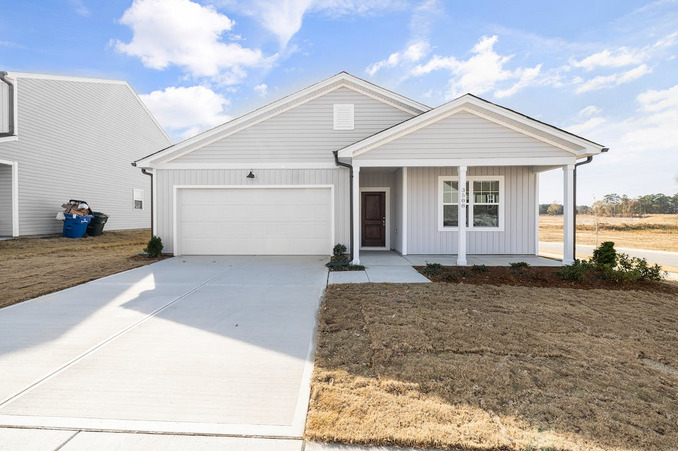

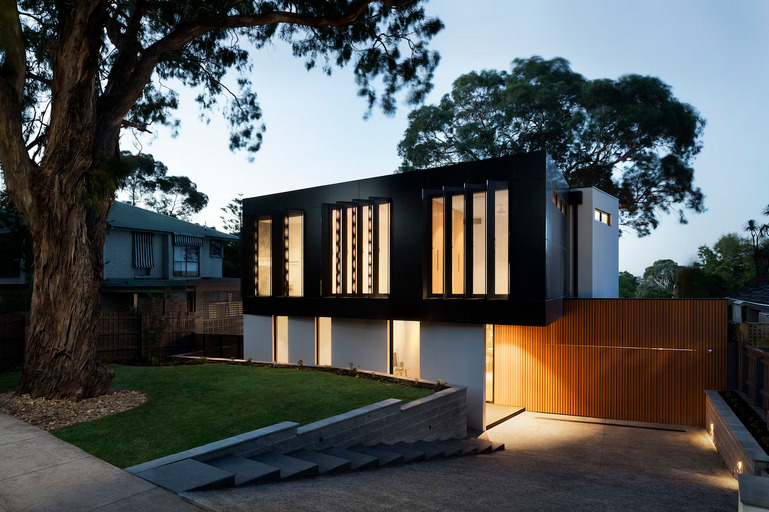
 Cost is undoubtedly a major factor for most homeowners when building a house. This is where prefabricated houses truly shine. One of the primary reasons architects recommend prefab homes is because they offer significant cost savings compared to traditional construction methods.
 When it comes to building or buying a house, one of the most important factors to consider is energy efficiency. Architects often recommend prefabricated houses for their exceptional energy-saving features. These homes are designed with advanced insulation materials and techniques that ensure minimal heat loss during winter and reduced heat gain in summer. Prefabricated houses are constructed using precision engineering, allowing for better sealing and insulation than traditional construction methods. These homes can significantly reduce energy consumption by minimizing air leaks and thermal bridging, resulting in lower utility bills. Moreover, many prefabricated houses come equipped with energy-efficient appliances and fixtures.

 The visual appeal of your roof plays a significant role in enhancing your home’s overall aesthetic value and curb appeal. Consider your house’s architectural style and color palette when choosing roofing materials. Selecting a roof that complements your home’s design can increase its visual appeal, boost its market value, and attract potential buyers if you decide to sell in the future.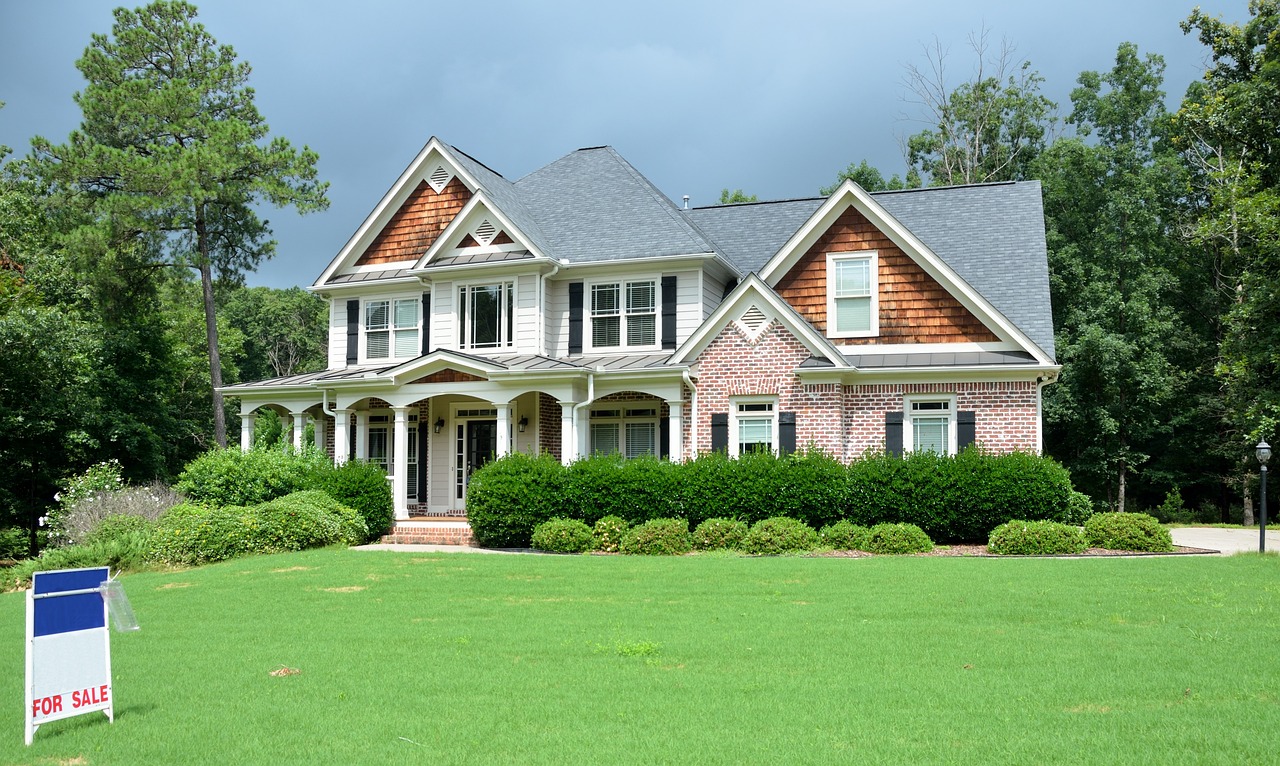
 Before you start browsing through homes, you must know your budget.
  Checking the condition of a potential home is crucial to ensure that you’re not investing in a property that will become a money pit. Start by looking at the exterior of the house. Check for any visible damage like cracks, dents, or discoloration on walls and roofs. Next, take a look at the interior of the house. Check if there are any signs of water damage or mold growth on ceilings and walls.
 Now that you understand your financing options and the condition of potential homes, it’s time to start generating a list of properties that match your needs and preferences. Take advantage of online resources such as listing websites or social media groups dedicated to real estate in your desired area. You can also ask friends, family members, or even local real estate agents for recommendations. When searching for potential homes, keep an open mind and stay true to your must-haves list. Consider location, size, layout, amenities, and proximity to schools or work.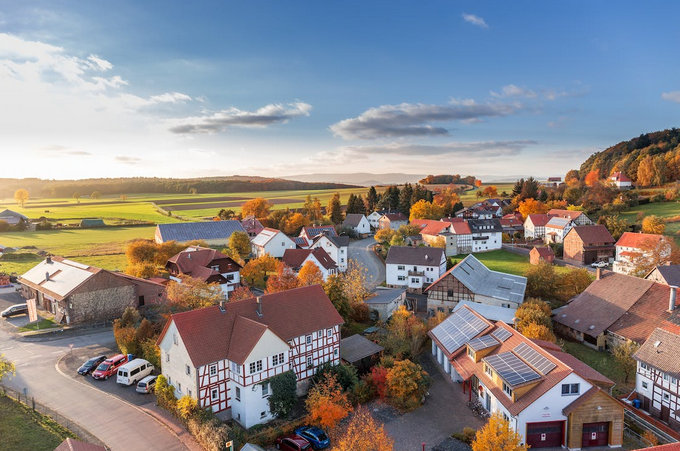

 If you have a garden, it is time to prepare it for colder weather. You’ll want to start by harvesting any remaining fruits and vegetables. Once that’s done, you can begin clearing dead plants and debris. This will help ensure that your garden is healthy and thriving come springtime. As for your lawn, you’ll want to start raking up leaves, so they don’t smother your grass. You should also fertilize your lawn to help it stay green and healthy throughout the winter.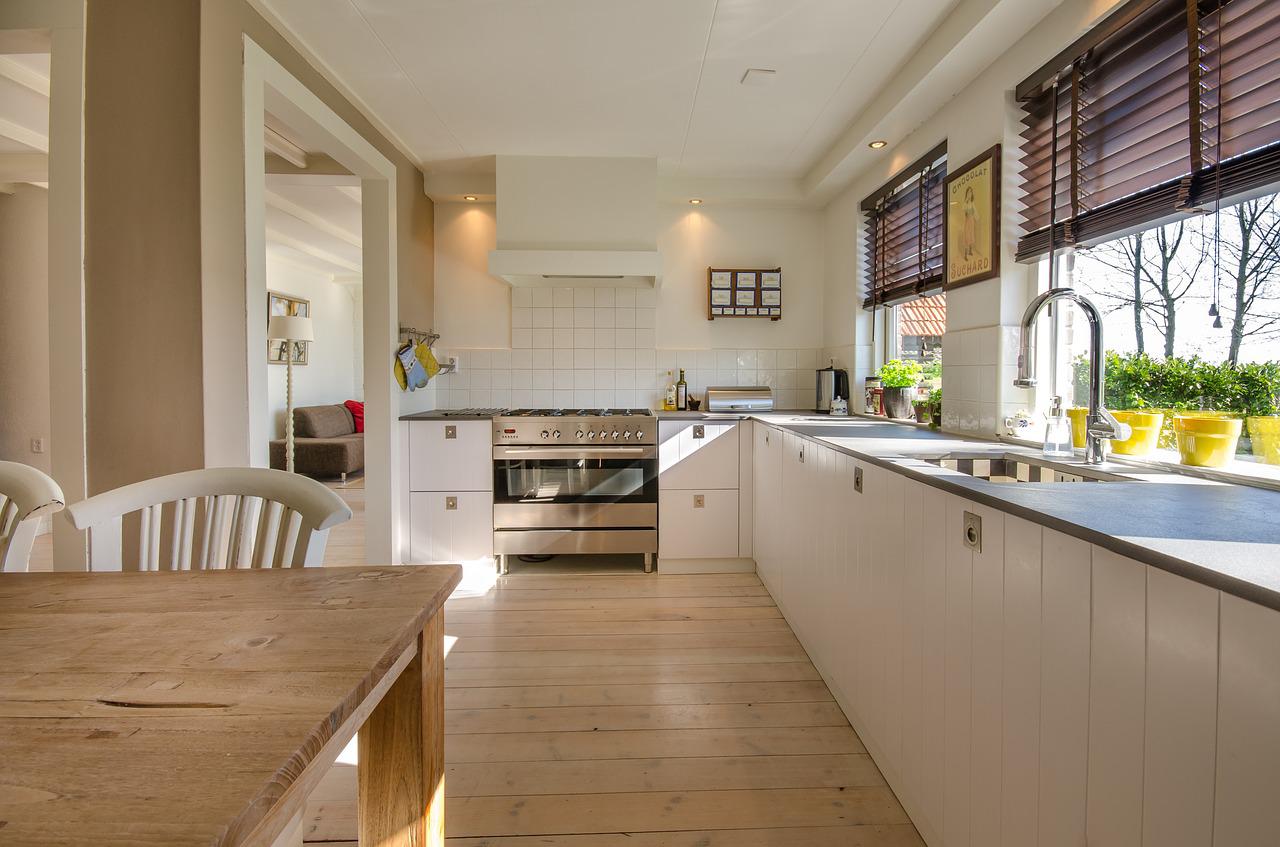
 One way to maximize your kitchen space is to remove any clutter that may be taking up valuable counter or storage space. If you have items in your kitchen that you don’t use regularly, consider storing them elsewhere. This will help to clear up some much-needed space in your kitchen. You can donate items that you don’t use to local charities or sell them at a garage sale. This is how many people can declutter their homes and free up some extra space.
 Another great way to maximize your kitchen space is to invest in appliances that serve more than one purpose. For example, a toaster oven can be used for baking and toasting bread. A blender can be used for making smoothies, as well as soups and sauces. By investing in multi-purpose appliances, you can clear up a lot of counter space.
 The final tip for maximizing your kitchen space is to use vertical storage whenever possible. This means utilizing the space on your walls, as well as cabinets and shelves that go all the way to the ceiling. You can free up a lot of floor and counter space by using vertical storage. People who plan to build a house tell their builders to make sure that the kitchen has a lot of space for storage because it’s important to have in a home.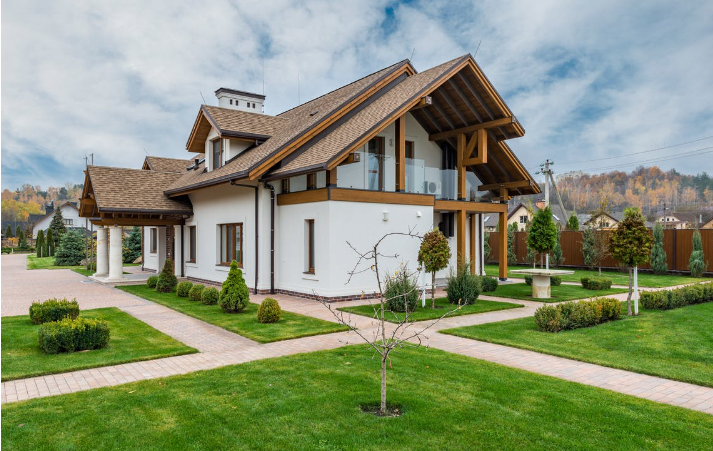
 If you want to build something from nothing, then you need to formulate a plan beforehand. Decide which type of tree you want to use as the centerpiece of your garden. Once you have chosen the main tree, then you can start to fill in the gaps with other plants and flowers that will complement it. When putting together your plan, be sure to consider how much sunlight each plant needs as well as how big it will get when fully grown.
 Once you have your focal point in place, it’s time to start filling in the gaps with other plants and flowers. As we mentioned before, be sure to consider how much sunlight each plant needs as well as how big it will get when fully grown. You don’t want your garden to be overcrowded, so be sure to leave enough space between each plant. Also, consider adding some mulch to help retain moisture and keep weeds at bay.

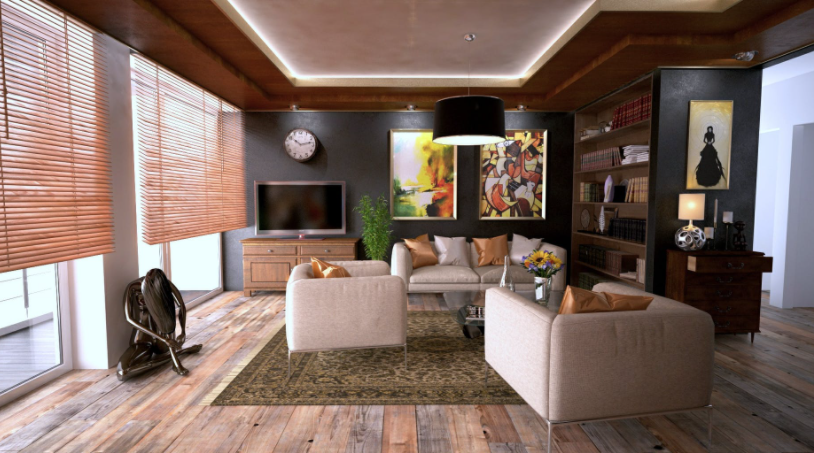
 One of the great things about painting your home blinds is that it can brighten up the room and make it feel more spacious. If you have a dark room, adding some color to the blinds can help to lighten things up. You can also use paint to create a focal point in the room. For example, if you have a huge window or are in an attractive shape, you can use color to highlight it.
 Another advantage of painting your blinds is that it can help protect them from fading in the sun. If you have blinds exposed to direct sunlight, they can start to fade over time.
 Make sure it is clean and clutter-free and that the lighting is soothing. Try to keep the temperature in the room comfortable, and use calming colors like blue or green on the walls or bedding.
 Not only do plants look beautiful, but they also help to purify the air. This is especially true for naturally growing houseplants like aloe vera (also known as “the miracle plant”) or spider plants. Before purchasing any plants for your home, you must do some research because not all are created equal. Some might be toxic if consumed by pets or children, while others require a lot of maintenance and care-taking in order to stay alive.
 The best part about hiring a pressure washing service is saving yourself time and money. Most of the work involved pressure washing, such as finding equipment and supplies, obtaining permits, or permission from your homeowner’s association to clean outside areas of your home. They can also schedule an appointment for cleaning will be taken care of by companies like ours who provide pressure washing services. This means that homeowners can focus on other important tasks around the house instead of taking care of their own pressure washing needs.