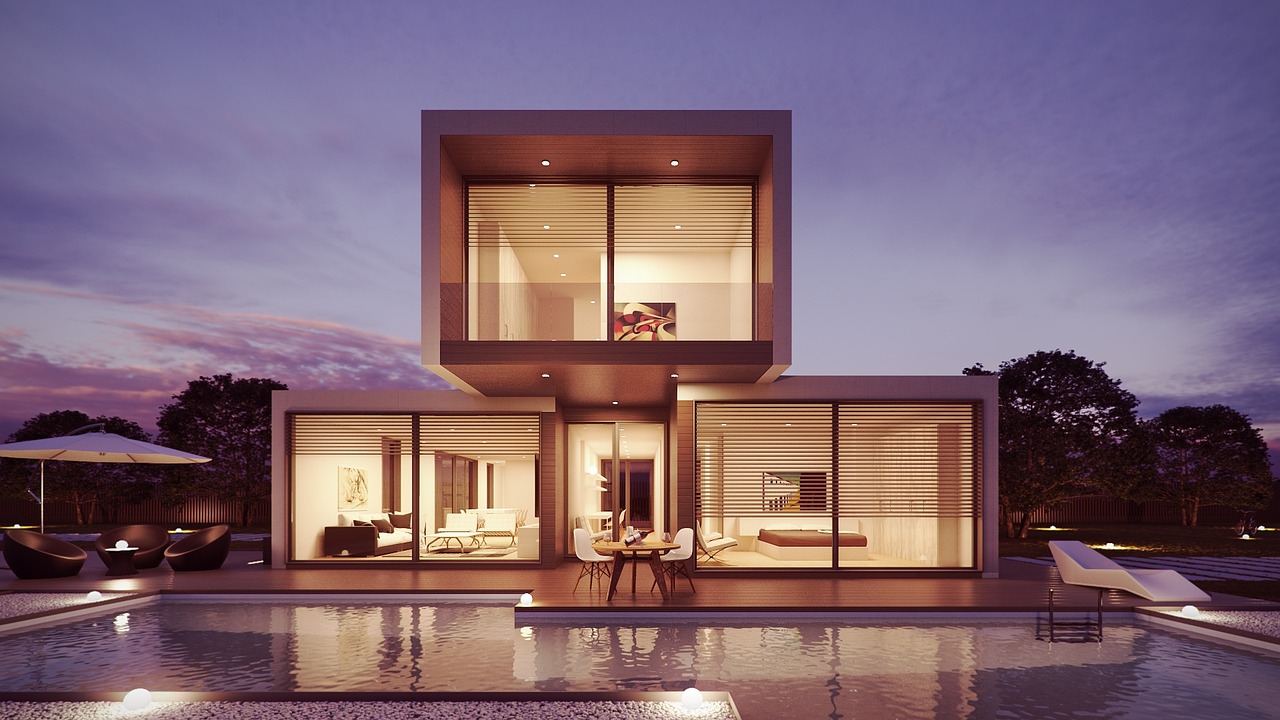
Architectural Designs for Prefab Homes That Are Both Functional and Aesthetically Pleasing Architectural Designs for Prefab Homes That Are Both Functional and Aesthetically Pleasing
Gone are the days when prefabricated houses were considered plain and uninspiring. Today, these innovative dwellings combine both functionality and aesthetics, creating stunning spaces that cater to modern living. Whether you’re looking for a small and contemporary design or a luxurious retreat, there is a prefab home out there that will capture your imagination and meet your needs. Now, let’s discover some truly captivating designs for your journey of a prefab home in the making.
Small, Modern Prefab Home Designs
 Small, modern prefab home designs are a testament to the ingenuity of architects and designers who have embraced the concept of compact living without compromising on style. These homes prove that size doesn’t always dictate the level of comfort and functionality. Visit this Beispielhaus to see how these homes do just that. One popular design trend in small prefab homes is open-concept layouts.
By combining the kitchen, living room, and dining area into one cohesive space, these designs create an illusion of spaciousness. Clever storage solutions are often integrated into every nook and cranny, ensuring that clutter is kept at bay. Another key feature found in small prefab homes is an emphasis on natural light. Large windows and skylights flood these spaces with sunlight during the day while providing stunning views of the surrounding landscape. The integration of outdoor living areas such as decks or patios expands the usable space even further.
Luxury Prefab Home Architecture
But if you’re more into something luxurious and have a bit of an extra budget, you should definitely go for luxury prefab home architecture, as this is the real deal when it comes to redefining elegance and sophistication. From sleek countertops to floor-to-ceiling windows that offer breathtaking views, every aspect of luxury prefab home architecture exudes elegance. In fact, luxury prefab home designs offer huge spaciousness. Open floor plans with expansive living areas allow for seamless flow and ample room for entertaining guests. High ceilings further enhance the feeling of airiness and grandness. Luxury doesn’t stop at aesthetics alone; functionality is equally important – smart tech integration.
Multi-Story Prefab Homes
One of the key advantages of multi-story prefab homes is their ability to adapt to various landscapes and plot sizes. Whether you have a narrow lot or a spacious piece of land, these homes can be designed to fit perfectly into your desired location. In terms of design options, multi-story prefab homes come in a wide variety of styles and layouts. From sleek modern designs with floor-to-ceiling windows to traditional farmhouse-inspired structures, there is something for everyone’s taste. The use of quality materials ensures that these homes are not only aesthetically pleasing but also durable and long-lasting. This means that you can enjoy your multi-story prefab home for years to come without worrying about maintenance issues.
Prefab Homes With Green Roofs and Sustainable Landscaping
 Prefab homes with green roofs and sustainable landscaping offer a unique combination of functionality and eco-friendliness. These architectural designs prioritize sustainability by incorporating features that contribute to energy efficiency, reduce carbon footprints, and promote environmental well-being.
One popular feature of prefab homes with green roofs is the use of vegetation on the roof surface. Green roofs provide insulation, absorb rainwater, filter air pollutants, and create habitats for local wildlife. They also help regulate indoor temperatures, reducing the need for artificial heating or cooling systems. The beauty of prefabricated housing lies in its ability to combine functionality with aesthetics seamlessly. Architects continue pushing boundaries by designing unique structures that not only meet practical needs but also inspire through their visual appeal.…
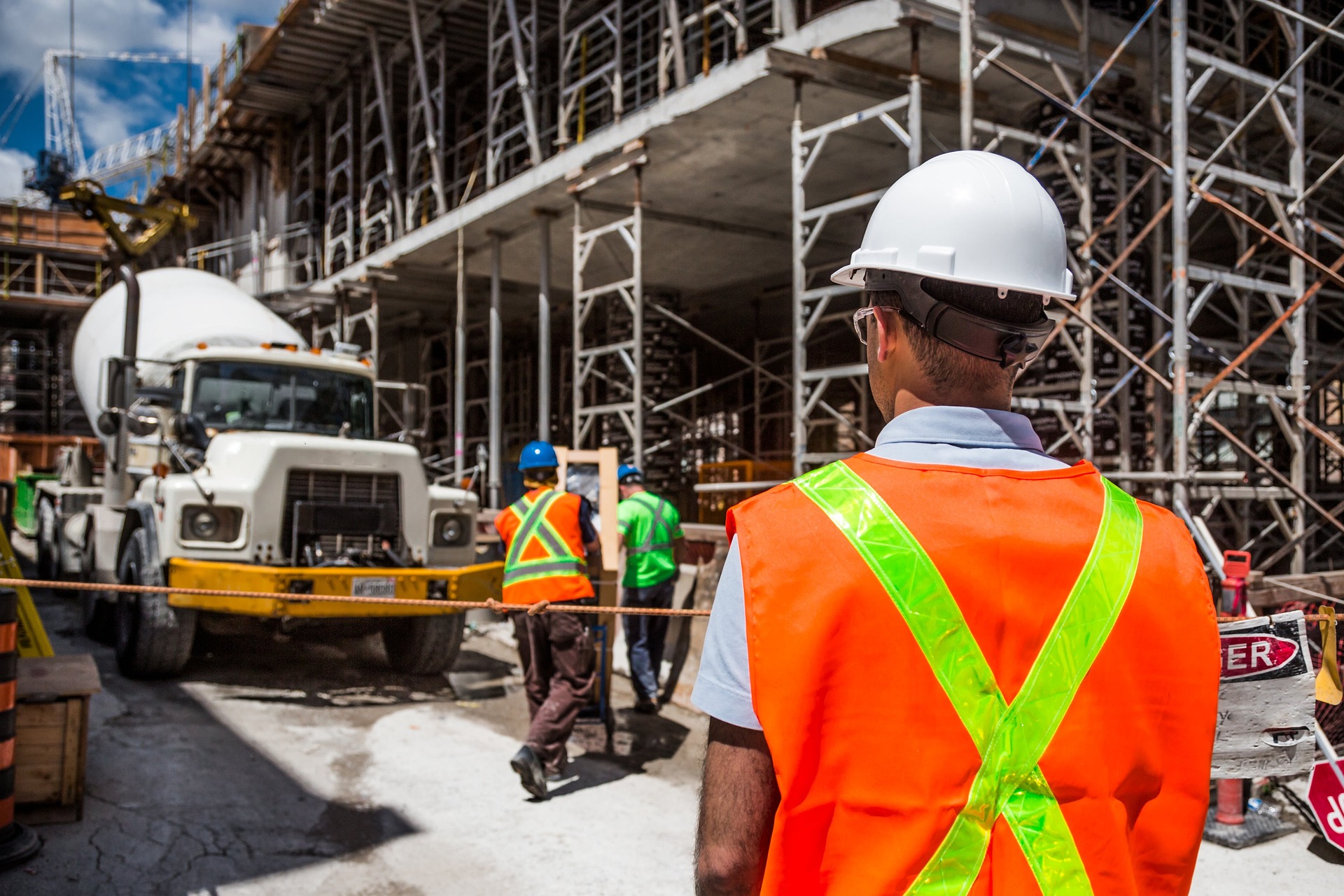
 Prefabrication and modular construction are changing the way we approach building projects. Construction sites become more like assembly lines by manufacturing building components in a controlled factory environment. This results in faster construction, lower costs, and higher quality control. Modular construction, in particular, is gaining traction for its versatility and the ability to create sustainable, customizable structures.
 Drones have become invaluable tools in