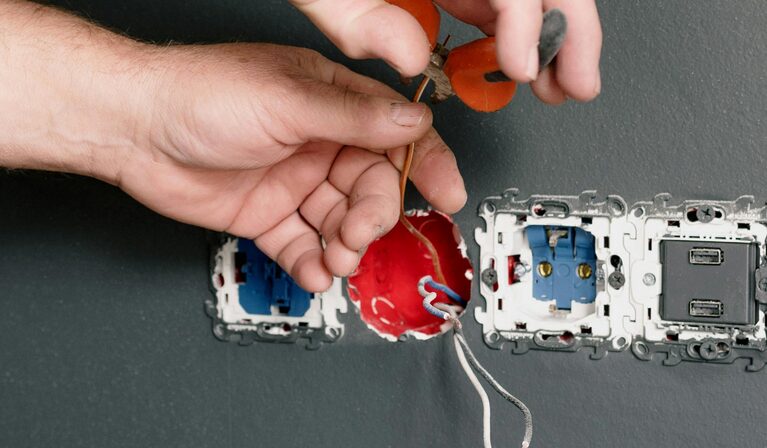
Homebuyers Beware: Grounding in Older Homes Homebuyers Beware: Grounding in Older Homes
Older homes often charm buyers with their unique architecture, hardwood floors, and historical character—but they can also come with hidden electrical issues. One of the most important and commonly overlooked problems is improper or outdated grounding. Grounding does more than keeping your home electrically sound; it ensures that excess electrical current is safely directed into the earth, preventing shocks, fires, and appliance damage. If you’re considering purchasing a home built several decades ago, understanding the condition of its grounding system is crucial for both safety and peace of mind.
What Is Grounding and Why Does It Matter?
Electrical grounding connects your home’s wiring system to the earth, creating a path of least resistance for stray electricity. This is essential in the event of a short circuit, power surge, or lightning strike. Without proper grounding, that excess electricity can travel through your appliances—or worse, through people—posing serious safety hazards. Grounding also helps stabilize voltage levels and improve the performance of your home’s electrical system.
Common Grounding Issues in Older Homes

Homes built before the 1960s often have outdated wiring systems like knob-and-tube or ungrounded two-prong outlets. Even if a home has three-prong outlets, it doesn’t guarantee those outlets are properly grounded. Some previous owners may have replaced outlets without upgrading the wiring or adding a ground wire, creating a false sense of security. These outdated systems can’t handle the power demands of modern life, increasing the risk of damage or danger.
Risks of Living in an Ungrounded Home
Without proper grounding, your home’s electrical system is more likely to suffer from short circuits, power surges, and equipment failure. Electronics like computers, TVs, and kitchen appliances are particularly vulnerable. The bigger risk, however, is safety. Faulty grounding can lead to electrocution or electrical fires, especially if circuits are overloaded or damaged.
How to Check for Proper Grounding

During a home inspection, make sure the inspector checks for proper grounding. This includes testing outlets, examining the electrical panel, and inspecting the wiring system. You can also hire a licensed electrician to conduct a more thorough assessment. They can identify ungrounded circuits, test grounding resistance, and confirm whether updates are needed to bring the system up to code.
Upgrade Options for Modern Safety
If you’re purchasing an older home with grounding issues, don’t panic—but do budget for upgrades. A qualified electrician can install dedicated ground wires, replace outdated outlets with GFCIs where grounding isn’t feasible, and upgrade the main panel if necessary. These improvements may be costly upfront, but they’re essential for safe living and long-term home value.
Buying an older home doesn’t mean you have to sacrifice modern safety. By understanding the importance of proper grounding and conducting a thorough inspection, you can make informed decisions before closing the deal. Addressing grounding issues early ensures your dream home isn’t hiding electrical dangers—and that it’s ready for today’s demands and tomorrow’s peace of mind.…