Home

The Growing Influence of Women in Architecture on Modern Housing Markets

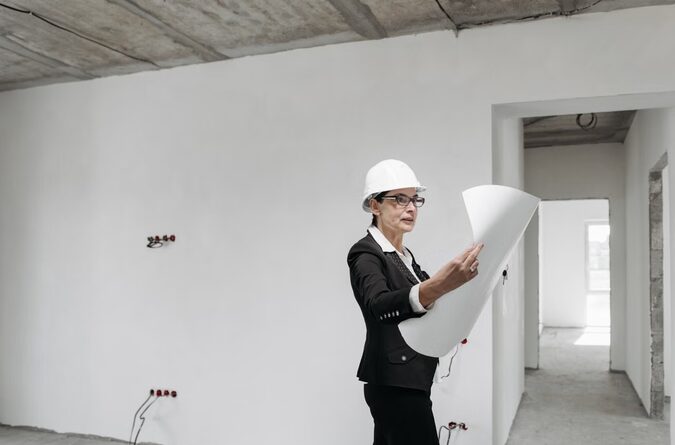
The housing market is constantly evolving as buyer expectations, lifestyles, and communities continue to change. While location and affordability remain important, today’s homeowners are also looking for neighborhoods and homes that improve their daily lives. This shift has encouraged architects and developers to rethink how residential spaces are planned and built. One of the biggest influences behind this transformation is the growing presence of women in architecture. Their perspectives are helping shape homes and communities that prioritize well-being, functionality, and long-term value. As a result, modern housing markets are becoming more responsive to the people who live in them instead of focusing solely on appearance or prestige.

Women in Architecture Are Redefining Residential Design

The conversation around modern housing is expanding beyond square footage and visual appeal. Insights shared through www.fuersie.de/lifestyle/wohnen-mit-seele-wie-architektinnen-unsere-lebensraeume-neu-erfinden-19823.html highlight how many women in architecture are designing homes that place everyday experiences at the center of the planning process. By considering how people interact with their surroundings, they are helping create residential spaces that feel welcoming, practical, and built to support real life.

Housing Markets Are Responding to Changing Buyer Expectations

Housing Markets

Today’s buyers want more than attractive finishes. They are searching for homes that offer comfort, flexibility, and a strong sense of community. These priorities are influencing developers to create neighborhoods that better reflect modern lifestyles. Women in architecture are contributing to this shift by encouraging designs that prioritize people over trends. Their work often emphasizes thoughtful layouts, shared outdoor spaces, and environments that encourage interaction while still respecting privacy. These qualities make residential developments more appealing to a wider range of buyers.

Better Communities Begin With Better Planning

A successful housing development is about more than individual homes. It also depends on how streets, parks, walkways, and shared spaces come together to create a connected neighborhood. Many female architects bring a collaborative approach to planning, considering how residents will move through and experience a community every day. This attention to detail helps create neighborhoods that feel safer, more welcoming, and easier to enjoy, adding value that extends well beyond the property itself.

Innovation Is Driving the Future of Residential Real Estate

Innovation in housing is not limited to technology. It also involves finding better ways to solve everyday challenges through thoughtful planning and creative design. Women in architecture continue to introduce fresh ideas that improve how homes function and make residential developments more adaptable to future needs. Whether designing flexible spaces or improving access to natural light, these innovations help create properties that remain desirable as lifestyles evolve.

Diverse Perspectives Strengthen Property Development

Diverse Perspectives Strengthen Property Development

The best ideas often emerge when different viewpoints come together. Property developers are increasingly recognizing that diverse architectural teams can lead to more creative and practical housing solutions. Women in architecture contribute valuable insights that help address the needs of a broad range of homeowners. By considering different family structures, work habits, and living preferences, they help shape developments that appeal to more people and remain relevant over time.

The Industry Is Looking Beyond Traditional Design Priorities

Residential real estate has traditionally emphasized visual impact and market trends. While appearance still matters, developers are increasingly focusing on how homes perform in everyday life and how communities support their residents. This broader perspective encourages long-term thinking rather than short-term popularity. Homes that are comfortable, adaptable, and thoughtfully planned often continue to attract buyers long after design trends have changed.

The growing influence of women in architecture is helping reshape modern housing markets in meaningful ways. By bringing fresh perspectives to residential planning and focusing on the needs of the people who live in these spaces, they are contributing to stronger communities and more valuable properties. As the real estate industry continues to evolve, their impact will remain an important part of creating homes that truly stand the test of time.…

Home

The Role of Architecture in Modern Home Construction

Architecture has always been a cornerstone of home construction, influencing not just the outward appearance of a property but also its functionality, durability, and long-term value. In the modern era, homeowners increasingly recognize that thoughtful architectural design is essential for maximizing comfort, energy efficiency, and space utilization. Every decision, from room layout to structural details, is guided by a well-conceived blueprint—even insights from ds would imply the significance of architecture among other elements. First-time homeowners and seasoned investors alike must understand how architecture shapes the construction process and final living experience.

Enhanced Functionality and Flow

A key aspect of architecture in modern homes is creating a layout that optimizes daily living. Functional design considers movement, privacy, and accessibility while seamlessly integrating communal and private areas. Architects analyze family routines, lifestyle requirements, and future expansion possibilities. Poorly conceived floor plans, conversely, can lead to cramped spaces, awkward transitions between rooms, or unused areas that diminish a home’s livability. Strategic architectural planning allows homeowners to enjoy practical layouts that harmonize daily activities with comfort and aesthetic appeal.

Sustainability and Energy Efficiency

view

Environmental concerns have elevated sustainable architecture to a primary consideration in modern construction. Architects now integrate energy-efficient designs, including optimal window placements, insulation choices, and ventilation systems. Renewable energy integration, like solar panels and geothermal heating, is often coordinated from the blueprint stage to maximize efficiency. Thoughtful architectural decisions in these areas reduce long-term utility expenses and environmental impact, reflecting a forward-thinking approach to homebuilding. Ignoring sustainability during the design phase often leads to retrofitting challenges that could have been avoided with initial planning.

Aesthetic Harmony and Curb Appeal

The visual dimension of architecture continues to play a significant role in home value and owner satisfaction. Facade choices, material textures, color schemes, and rooflines influence first impressions and market desirability. Architects ensure that exterior and interior elements complement one another, creating a cohesive aesthetic narrative. Homeowners who neglect architectural guidance may find themselves with disjointed or outdated styles, potentially reducing resale potential. A considered architectural approach balances modern trends with timeless elements, making a home attractive for years.

Adaptability for Future Needs

Adaptability for Future Needs

Modern households demand flexibility in their living spaces. Architectural design anticipates future requirements, such as additional family members, home office areas, or technology upgrades. Flexible room sizes, modular features, and multifunctional spaces extend a property’s longevity and usefulness. Failure to plan for adaptability often results in costly renovations or compromises in comfort. Architects guide homeowners in designing spaces that evolve alongside changing needs, providing long-term practicality without sacrificing design integrity.

Seamless Technology Integration

Smart homes are increasingly the standard rather than the exception. Architectural planning considers the placement of wiring, sensors, and network infrastructure to support technological integration. The architecture lays the groundwork for efficient installation without intrusive modifications, from automated lighting to security systems. Neglecting this foresight can lead to exposed cables, inconvenient device placement, or additional labor costs. Modern architects understand the intersection of technology and design, embedding innovation into the structure rather than forcing it as an afterthought.

Architecture plays a pivotal role in shaping modern home construction. The top five factors homeowners should prioritize include functionality and spatial flow, sustainability and energy efficiency, aesthetic harmony, adaptability for future needs, and seamless technology integration. Focusing on these elements ensures a well-rounded, livable, and valuable property. By investing in thoughtful architectural planning, homeowners avoid expensive adjustments, enhance their quality of life, and maximize their long-term investment. Modern construction is as much about foresight and design strategy as it is about materials and labor, making architecture an essential pillar of successful homebuilding.…