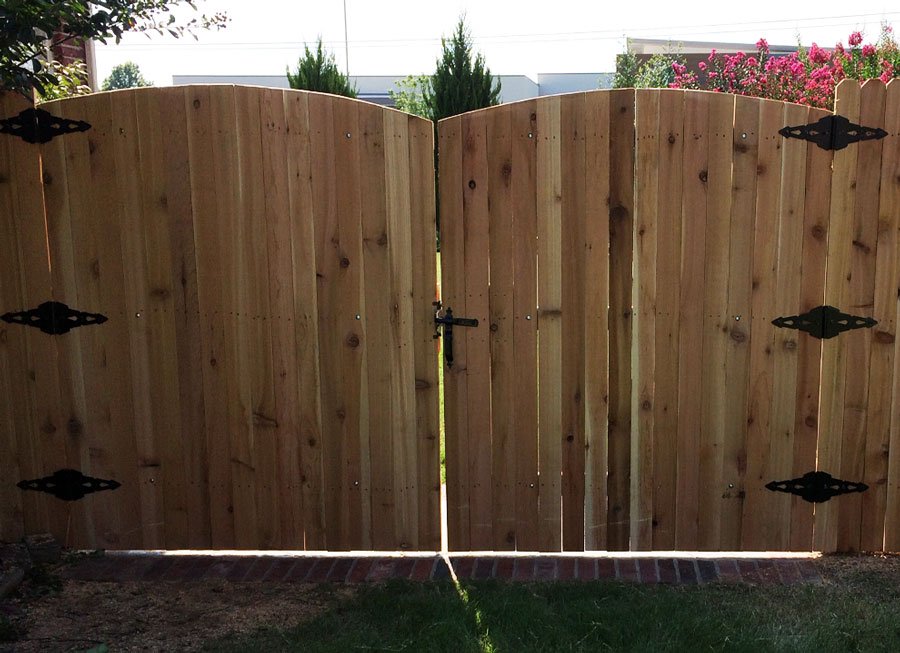
How to Avoid Missteps When Installing Your New Fence Gate How to Avoid Missteps When Installing Your New Fence Gate
Installing a new fence gate is an exciting home improvement project that can boost your property’s security, privacy, and curb appeal. However, it’s easy to overlook crucial details during your installation process, which can lead to costly mistakes and headaches down the road. Imagine investing time, money, and effort only to find your gate isn’t functioning correctly or requires frequent repairs. To prevent these pitfalls, it’s essential to approach your fence gate installation with careful planning and attention to detail. Here’s how to steer clear of the most frequent blunders when installing your new fence gate. For additional insights on how fence gates can effectively bolster your security, you can check out this detailed article at https://www.offthemrkt.com/lifestyle/the-pros-and-cons-of-fence-gates-as-a-security-feature-to-deter-intruders
Conduct Thorough Planning and Accurate Measurements
The cornerstone of a successful fence gate installation is meticulous planning and precise measurements. Many homeowners make the mistake of skipping or rushing through this step, leading to issues such as a gate that’s too small or too large for the opening. Before purchasing your gate, carefully measure the width and height of the opening, accounting for any uneven ground or slope that might affect the gate’s operation. Double-check all measurements and ensure they match the specifications of the gate you plan to install. Proper planning prevents misfits and ensures your gate will operate smoothly.

Choose the Right Materials
Selecting the appropriate materials for your gate is critical for durability and aesthetics. It’s a standard error to choose materials based solely on appearance without considering their suitability for your specific environment. For instance, wood gates may look attractive but might need to hold up better in extreme weather conditions compared to metal or composite options. Consider the climate and potential wear and tear when choosing materials. Also, ensure that the hardware, such as hinges and locks, is compatible with your gate’s material and intended use. Investing in quality materials suited to your environment will minimize future maintenance and replacement costs.
Follow Proper Installation Techniques
Improper installation leads to many problems, from misalignment to structural issues. A frequent mistake is failing to install gate posts securely or neglecting to level them correctly. Posts should be concrete and anchored firmly to provide a stable foundation. Additionally, ensure the gate is hung correctly, with adequate spacing and alignment. If you’re not experienced with gate installation, consider constracting professionals to ensure the job is done correctly. Proper installation techniques are essential for preventing operational problems and providing the gate’s longevity.
Account for Gate Weight and Support
Gate weight is another crucial factor often overlooked during installation. Heavier gates require more robust support structures to prevent sagging and misalignment. Many homeowners underestimate the reinforcement needed, leading to premature wear or damage. Ensure the gate posts and hinges are rated to handle the gate’s weight. Use additional support brackets or reinforcements if necessary to distribute the weight evenly. Adequate support ensures that your gate remains functional and durable over time.
Plan for Regular Maintenance
Even with a flawless installation, neglecting maintenance can lead to costly issues. Routine upkeep, such as checking for rust, tightening screws, and cleaning moving parts, is vital for the gate’s long-term performance. Develop a maintenance schedule and address any minor issues promptly to prevent them from escalating. Regular inspections and repairs will extend the life of your gate and maintain its functionality. Avoiding costly mistakes during your fence gate installation involves careful planning, selecting appropriate materials, following proper installation techniques, accounting for weight and support, and committing to regular maintenance. By paying attention to these critical areas, you can ensure a smooth installation process and enjoy the benefits of a well-functioning, attractive gate for years to come. expenses.…
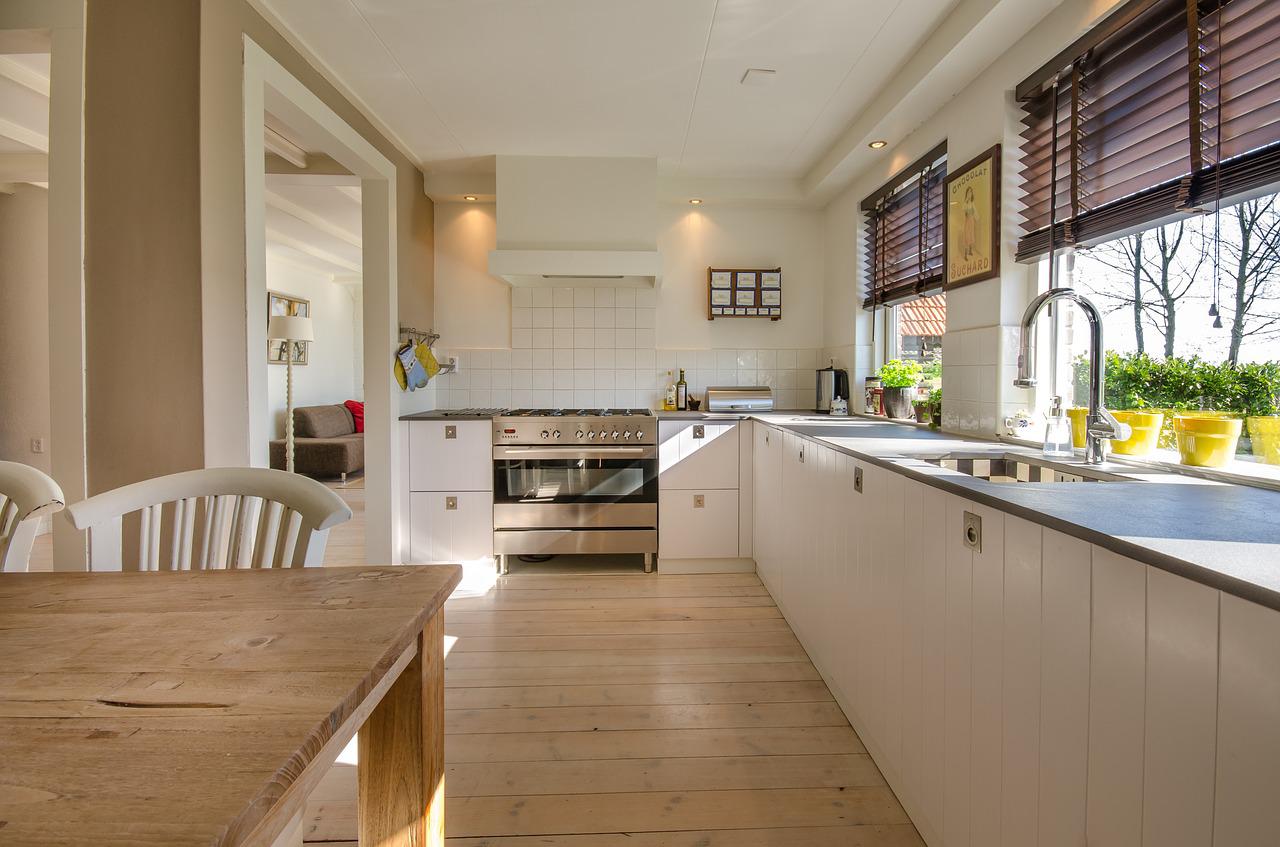
 One way to maximize your kitchen space is to remove any clutter that may be taking up valuable counter or storage space. If you have items in your kitchen that you don’t use regularly, consider storing them elsewhere. This will help to clear up some much-needed space in your kitchen. You can donate items that you don’t use to local charities or sell them at a garage sale. This is how many people can declutter their homes and free up some extra space.
 Another great way to maximize your kitchen space is to invest in appliances that serve more than one purpose. For example, a toaster oven can be used for baking and toasting bread. A blender can be used for making smoothies, as well as soups and sauces. By investing in multi-purpose appliances, you can clear up a lot of counter space.
 The final tip for maximizing your kitchen space is to use vertical storage whenever possible. This means utilizing the space on your walls, as well as cabinets and shelves that go all the way to the ceiling. You can free up a lot of floor and counter space by using vertical storage. People who plan to build a house tell their builders to make sure that the kitchen has a lot of space for storage because it’s important to have in a home.
 Tree pruning is vital to keep the trees healthy and maintain their natural shape. If you do not trim your tree, it can become too dense for its good, which means that sunlight cannot reach all of the leaves on the branches allowing them to grow more rapidly than they should. This also makes it harder for air circulation around the plant because it is too full, leading to root girdling. When this happens, their growth around them is slowly strangling the roots because they cannot get enough oxygen.
 The home improvement projects that are most effective at making your home market-ready start with the front and exterior of your home. You want to create a great first impression and entice visitors to come back and take a look around. The beautiful front door along with the garage door in front. If you can’t replace these two doors, or their condition is too great to replace, do what you can to brighten up the region.
 It is indeed less crucial to focus the front yard or front part of a home that potential buyers see from the street. But, seeing outdoor entertaining areas like a deck, patio, and even a back or side yard will have the ability to help you market your home. Today, people want a place to relax inside their homes. Make sure you find your outdoor areas in excellent condition.
  For a homeowner looking to market their home for as much money as possible and in as little time as possible, you’ll want to take the opportunity to put together funds to choose which home renovations make sense for your budget limitations. If your resources are limited, concentrate on the upgrades that will give you the most value for the money spent. Think about what you liked about your home when you wanted to buy it.